Graphic & Data Usage Policy
At Day 1 Bags, we create original data visualizations, maps, and advocacy tools to advance dignity standards for children in foster care nationwide.
We encourage responsible sharing to expand awareness and support policy change.
Free Advocacy & Educational Use
Our graphics may be shared at no cost for:
- Educational presentations
- Legislative briefings
- Nonprofit and community advocacy
- Faith-based or civic group discussions
- Academic use
- Media reporting
Requirements:
- Attribution must be clearly visible:
Source: Day 1 Bags National Dignity Index, [2026]. - Day 1 Bags branding and citations may not be removed.
- Graphics may not be altered in a way that changes their meaning or data.
- Data sources must remain intact.
Prohibited Uses Without Written Permission
The following uses require prior written approval:
- Commercial resale or paid distribution
- Corporate marketing materials
- White-labeling or rebranding
- Political campaign advertising
- Removal of logos or data citations
- Modification of data or partial extraction that misrepresents findings
Commercial & Corporate Licensing
Organizations seeking to use Day 1 Bags graphics in:
- Corporate publications
- Annual reports
- Sponsored campaigns
- Conferences or ticketed events
- Marketing or advertising
Must request a commercial license. Please contact: dignitynottrash@gmail.com
Day 1 Bags reserves the right to review and approve all commercial use requests.
Data Sources
Data reflected in the National Dignity Index and related graphics is drawn from:
- Adoption and Foster Care Analysis and Reporting System (AFCARS)
- U.S. Department of Health & Human Services
- Kids Count Data Center (Annie E. Casey Foundation)
Our Mission
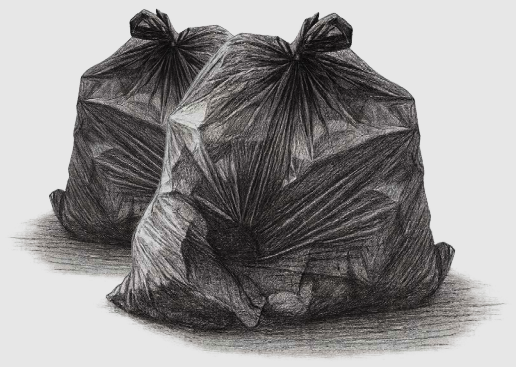
No child should carry their life in a trash bag.
If sharing this graphic helps move a state closer to a dignity standard, we encourage you to do so — responsibly and with attribution.